To track Opportunity value by product, you must use Products and Price Books. Instead of manually typing an amount into the “Amount” field, Salesforce automatically calculates the total value based on the individual products (Line Items) you add to the deal.
Step 1: Enable Products and Price Books
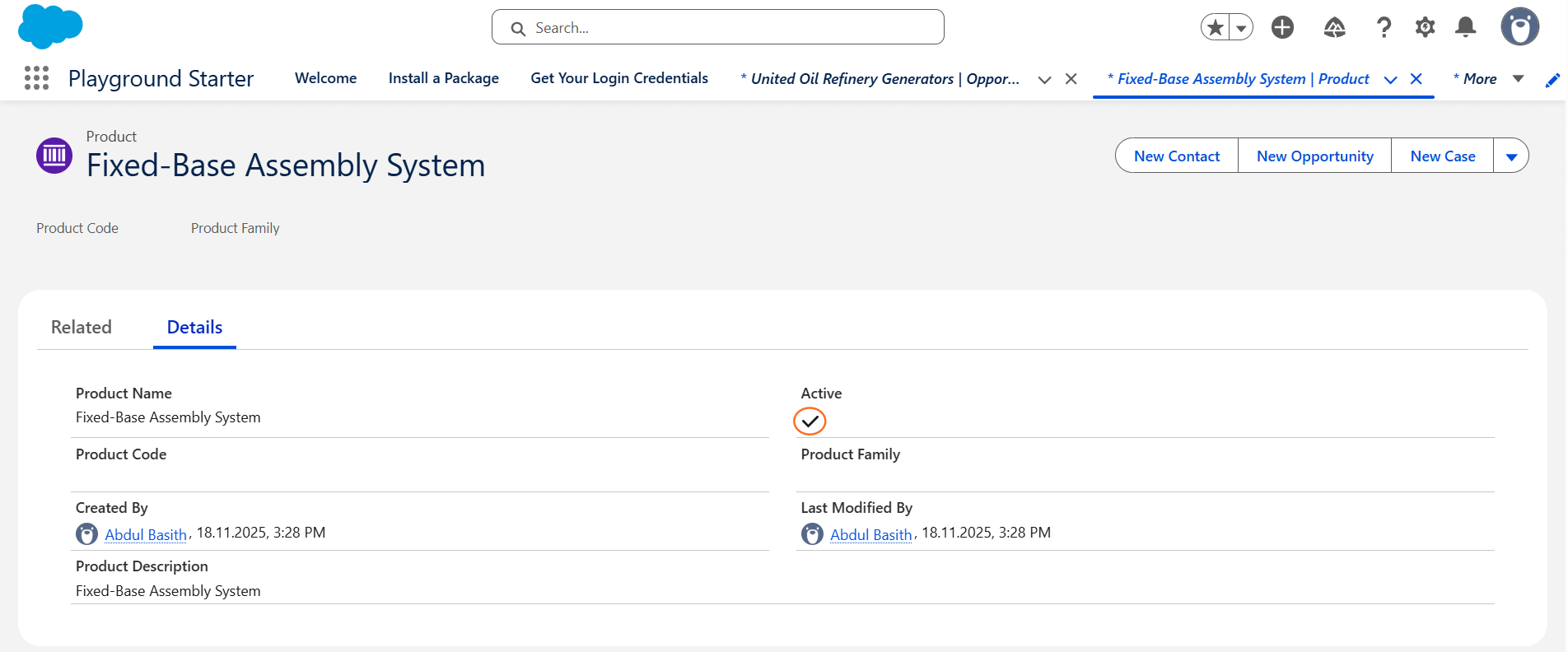
Most Salesforce environments have these enabled by default. If you don’t see the “Products” related list on your Opportunity, ensure you have at least one Price Book set up with active products.
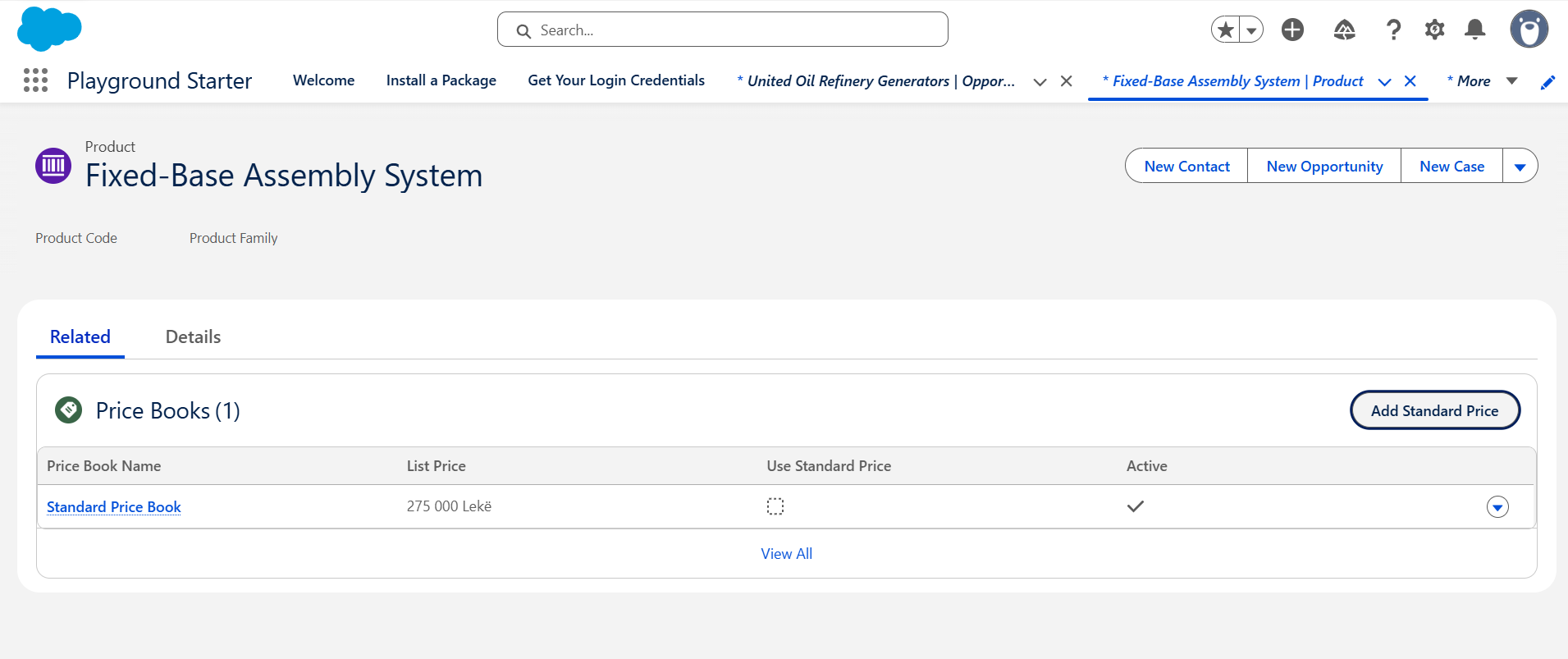
- Go to the App Launcher (9 dots) and search for Products.
- Ensure your products are created and have an Active status.
- Ensure each product has a Standard Price assigned.
Step 2: Add the Products Related List
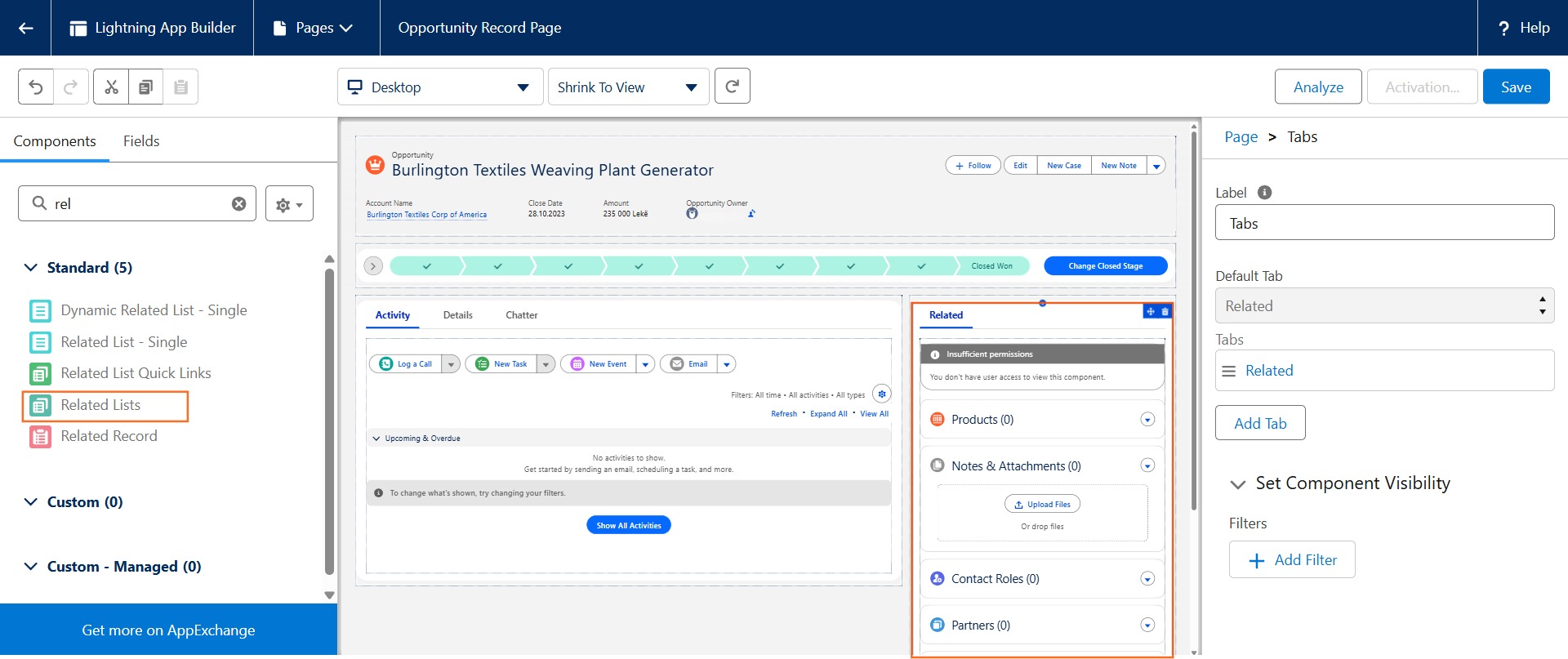
If you cannot see where to add products on an Opportunity:
- Open an Opportunity record.
- Click the Gear Icon > Edit Page.
- In the Lightning App Builder, ensure the Related List – Single or Related Lists component is on the page.
- Set the Related List to Opportunity Products.
- Save and Activate.
Step 3: Adding Products to an Opportunity
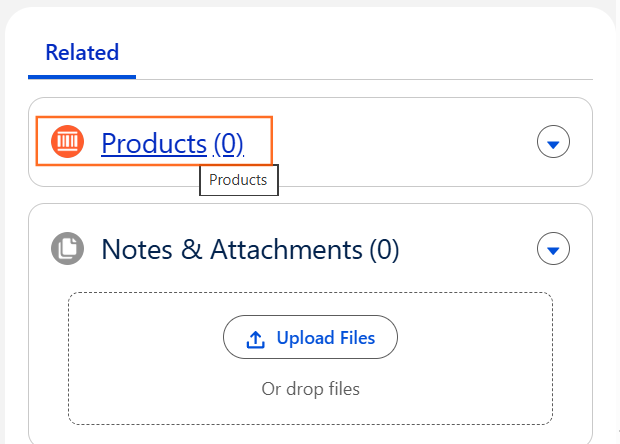
- Navigate to App Launcher and Opportunity.
- Find the Products in related list, Click it  and click Add Products.
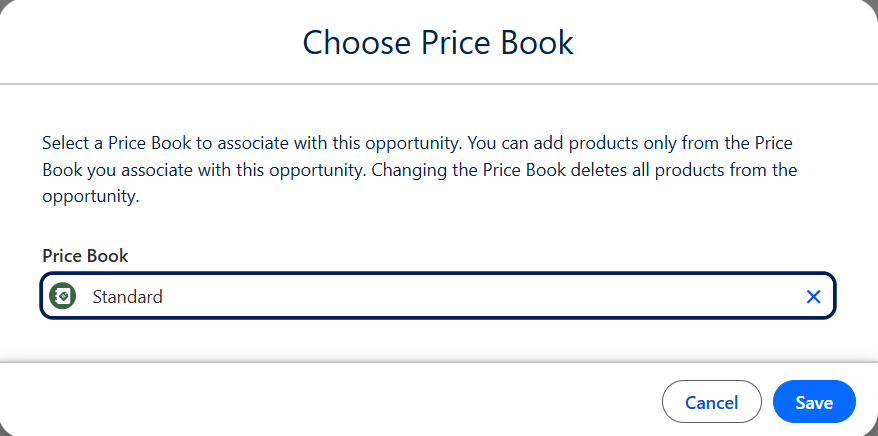
- If prompted, select a Price Book (e.g., Standard Price Book).
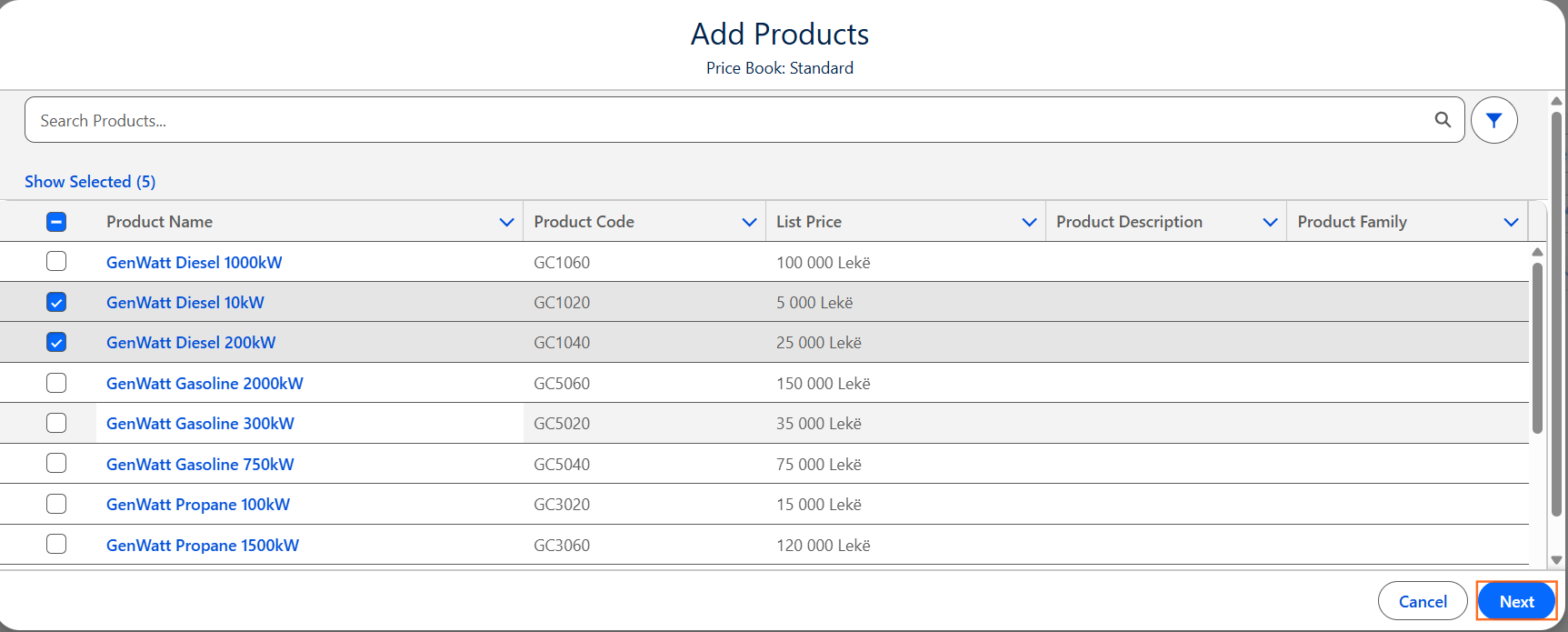
- Check the boxes next to the products being sold and click Next.
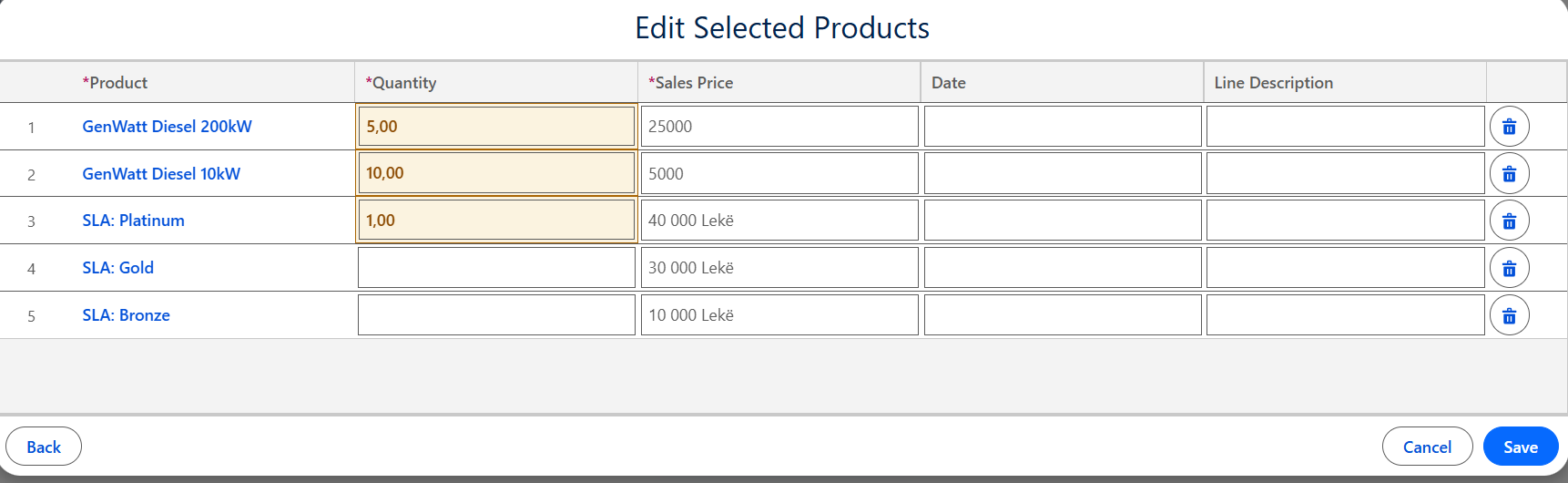
- Enter the Quantity and Sales Price for each item.
- Click Save.
Step 4: How the Value is Calculated

Once products are added, the Amount field on the Opportunity becomes “Read-Only.” Salesforce calculates the value using this formula:
Step 5: Reporting on Product Value

To see a breakdown of which products are driving revenue across your pipeline, you need a specific report type.
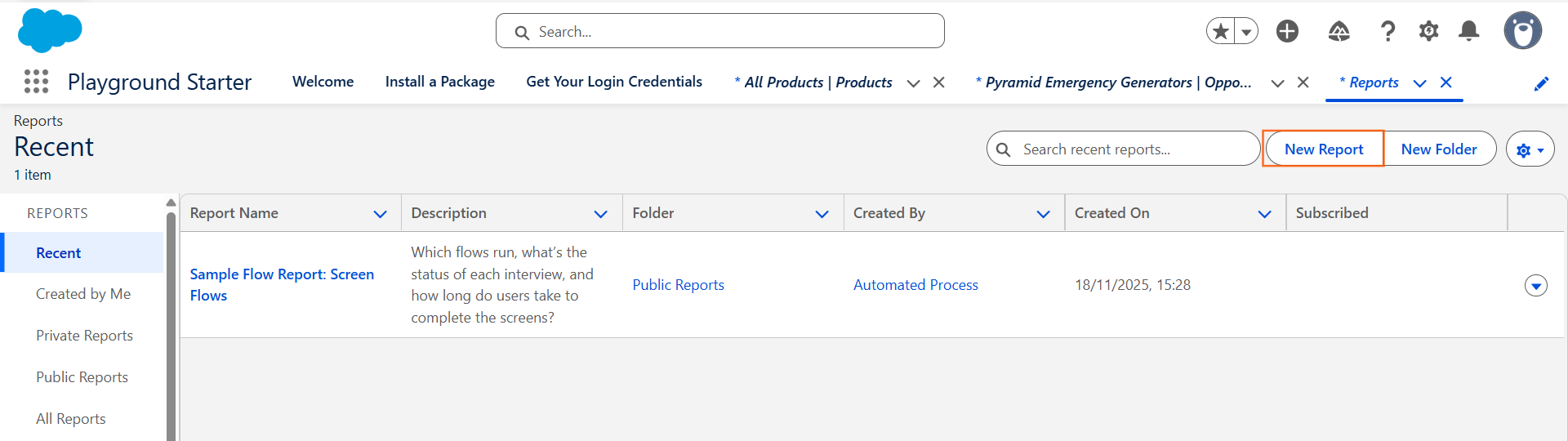
- Go to App Launcher the Reports tab and click New Report.
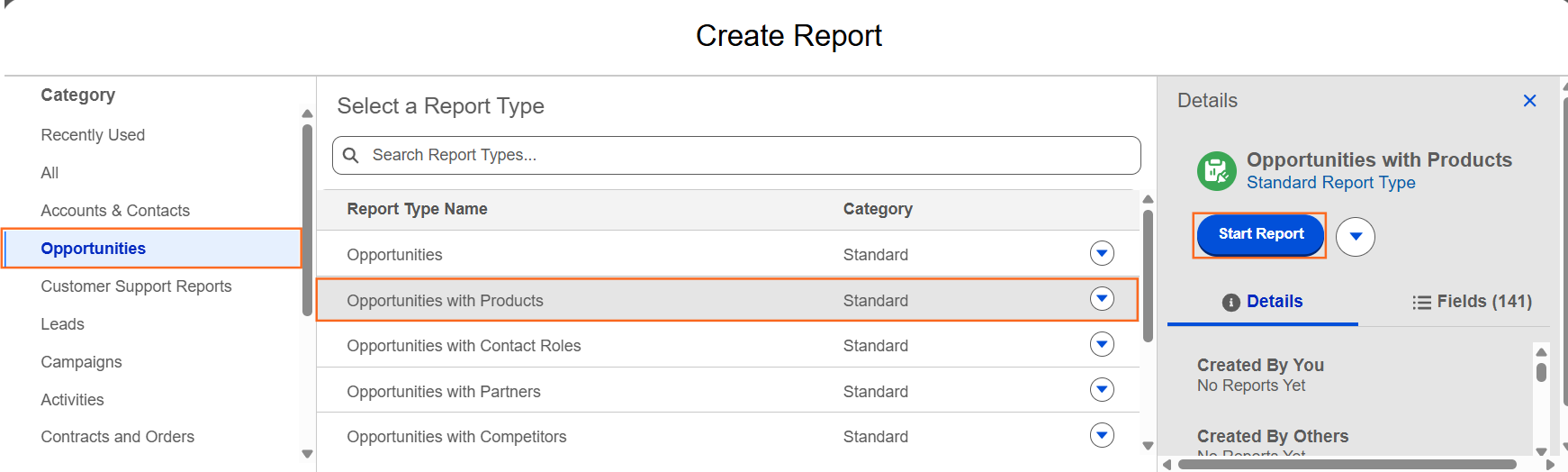
- Search for the report type: Opportunities with Products.
- Click Start Report.
- Group by “Product Name” and Sum the “Total Price” column.
Step 6: Technical Considerations
- Multi-Currency: If your org uses multiple currencies, the product prices must be defined for each currency in the Price Book.
- Schedules: If you sell subscriptions or products paid in installments, you can enable Product Schedules to track revenue over time.
- The Amount Field: Remind users in your guide that as soon as one product is added, they can no longer manually edit the “Amount” field on the Opportunity.

Salesforce