1. The “APP” Formula (The Hook)
Most users leave within the first 15 seconds. To stop this, you need a hook that grabs them immediately. The APP formula (Agree, Promise, Preview) is a proven copywriting method to keep readers glued.
- Agree: Start with a statement the user agrees with (e.g., “Losing weight is hard.”).
- Promise: Tell them the benefit of reading (e.g., “But you can lose 5kg without starving.”).
- Preview: Tell them exactly what is in the article (e.g., “In this post, I’ll share 3 diet hacks…”).
By addressing their pain point and promising a solution in the first 50 words, you convince them to scroll down rather than click “Back.”
2. Use “Bucket Brigades” (Keep Them Scrolling)
A “Bucket Brigade” is a classic copywriting tactic used to bridge the gap between two paragraphs. It breaks the flow and forces the reader to read the next line.
Add these short phrases on their own line, followed by a colon:
- Here is the deal:
- But there is a catch:
- Why does this matter?
- The best part?
This visual break resets the reader’s attention span and reduces the intimidation of large text blocks.
3. Embed Video Content (The “Sticky” Media)
The single most effective way to increase time on page is to add a video. If a user watches a 2-minute video, your “Time on Page” automatically becomes at least 2 minutes.
- Placement: Embed a YouTube video immediately after your introduction (the “Hero” spot).
- Relevance: It doesn’t need to be a movie. A simple “screen share” walkthrough or a summary of the article works best.
- Lazy Load: Ensure the video uses “Lazy Loading” so it doesn’t slow down the initial page load speed (which would increase bounce rate).
4. Interactive Elements (Calculators & Quizzes)
Users spend significantly more time doing something than reading something. Interactive tools are “Time on Page” goldmines.
- Calculators: If you are a finance site, embed a “Mortgage Calculator.”
- Quizzes: If you are a fashion site, embed a “What is my style?” quiz.
- Table of Contents: Add a clickable Table of Contents (with jump links) at the top. When users click a link, they skip to a specific section, but they often stay to read that specific answer in depth.
5. Improve “Scannability” (The F-Pattern)
We know users scan in an F-shape. If they see a wall of text, they leave. You must break it up to keep them moving down the page.
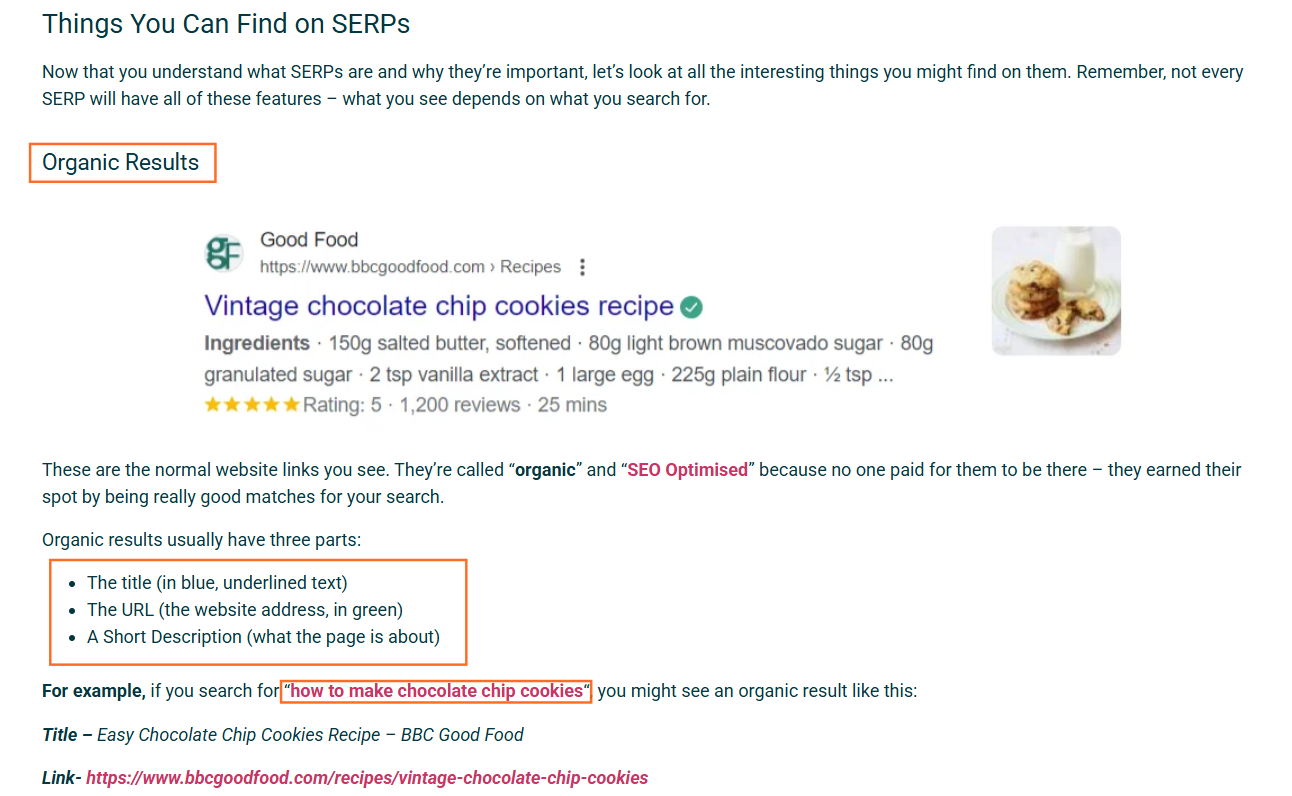
- Sub-headers: Use an H2 or H3 every 200 words.
- Bullet Points: Never write a list in a sentence. Always use bullet points (like this list).
- Short Paragraphs: Keep paragraphs to 1 – 3 lines maximum.
- Bold Text: Bold key phrases so a skimmer can get the gist just by glancing.
6. Internal Linking (The “Wikipedia” Effect)
If a user finishes one article and leaves, your average session duration ends. You want them to fall down a “rabbit hole” of your content.
- Contextual Links: Don’t just put “Read More” at the bottom. Link relevant words inside the paragraphs.
- Open in Same Tab: For internal links, let them open in the same tab. This keeps the user in the same “session” flow.
- Related Posts: Use a plugin to show “Related Articles” in the middle of the content (after paragraph 4 or 5), not just at the footer.

 Salesforce